collagen
Home / Guides / Collagen Basics
Marine vs. Bovine Collagen: What’s Actually Different?
Fish or cattle? The real differences come down to collagen types, diet, allergies and price — not miracle absorption.
Walk down any supplement aisle and you will see the same two words again and again: marine and bovine. Both are collagen. Both are usually sold as hydrolyzed peptides. So what actually changes when you pick one over the other?
Where each one comes from
Bovine collagen is made from cattle hides (sometimes bones). It is a by-product of the beef industry and has been used to make gelatin for over a century.
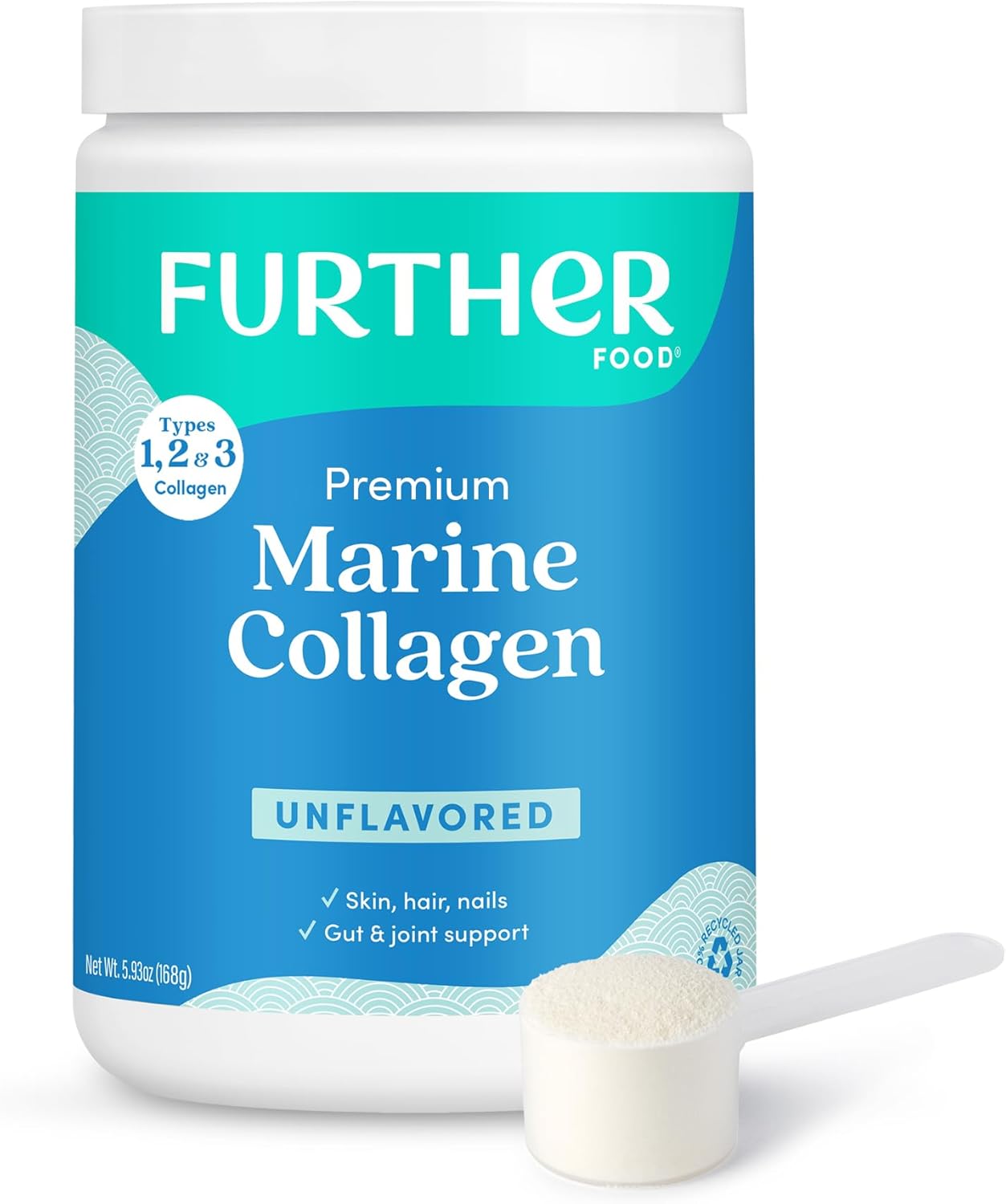
Marine collagen is made from fish skin and scales, most often from cod, tilapia or other whitefish. It is newer to the mass market and usually costs more.
In both cases the raw material is cooked and broken down with enzymes into small pieces called peptides. That is why a good collagen powder dissolves in cold water, while gelatin needs heat and sets into a gel.
Collagen types: the main real difference
Your body makes at least 28 types of collagen, but three matter for supplements:
| Type | Where it is in your body | Typical supplement source |
|---|---|---|
| Type I | Skin, bone, tendons — about 90% of your body’s collagen | Bovine, marine |
| Type II | Cartilage in joints | Chicken sternum, cartilage |
| Type III | Skin, blood vessels, organs (alongside Type I) | Bovine |
- Bovine gives you mostly Type I and Type III.
- Marine gives you mostly Type I.
In practice, once collagen is hydrolyzed your gut breaks it into amino acids and small peptides anyway. The “type” on the label tells you the source, not a different instruction your body follows. Human studies on skin have used both bovine and fish collagen with similar outcomes.
The “better absorption” claim
Marine collagen is often marketed as “up to 1.5x better absorbed” because its peptides can be smaller. What really matters is the molecular weight of the finished peptides, which depends on how the manufacturer processed them — not simply whether they came from a fish or a cow. A well-made bovine peptide can be just as small as a marine one.
Bottom line: don’t pay a large premium for absorption claims alone. Compare grams of collagen per serving and price instead.
When marine makes more sense
- You don’t eat beef or pork for religious, ethical or dietary reasons (check for halal or kosher certification if that matters to you).
- You follow a pescatarian diet.
- You prefer a source with a smaller land footprint (although sourcing quality varies widely).
When bovine makes more sense
- Price. Bovine is usually the cheapest collagen per gram.
- Fish allergy. People with a fish allergy should avoid marine collagen unless their doctor says otherwise.
- You want Types I and III on the label.
Quality checks for both
- Grams per serving. Most skin studies used 2.5–10 g a day.
- Third-party testing. Look for seals like NSF, Informed Choice or USP, or published heavy-metal test results.
- Few extras. Unflavored peptides should list one ingredient. Flavored ones often add sweeteners.
- Sourcing. “Grass-fed / pasture-raised” for bovine and “wild-caught” for marine are nice to have, but they are marketing terms unless certified.
So which should you buy?
If you eat beef and want the best value, bovine is a sensible default. If you avoid beef or want a pescatarian option, marine is a good choice — just budget a little more. Either way, consistency over 8–12 weeks matters more than the animal on the label.
Frequently asked questions
Which is better for skin, marine or bovine collagen?
Both have been used in skin studies at 2.5–10 g a day with similar results. Choose by diet, allergies and price rather than absorption claims.
Is marine collagen more expensive?
Usually, yes. Bovine collagen is generally the cheapest collagen per gram.
Can I mix marine and bovine collagen?
Yes. There is no known problem taking both; multi-collagen blends do exactly that.
Compare current options side by side: marine collagen · bovine collagen · multi-collagen blends.
This article is for general information only and is not medical advice. Supplements are not reviewed by the FDA for safety or effectiveness before they are sold. Check with your doctor before starting one, especially if you are pregnant, nursing, have allergies (fish, shellfish, eggs) or take medication. As an Amazon Associate we earn from qualifying purchases.